If you’ve been thinking of taking a 4 or 5 day ride with a group of your buddies – I couldn’t recommend it more. But its not easy planning a multi-day motorcycle ride. But group rides are a great way to make lasting memories, build friendships, experience endless stretches of scenic roads and enjoy the journey.
Consider this your road map to transforming motorcycle trip daydreams into reality. Whether you’re a seasoned rider or gearing up for one of your first long rides, we’re here to guide you through every twist and turn of planning your adventure.
We will cover choosing the perfect route to what you should pack for a 5-day trip. We’ll delve into tips for weather preparation, finding the right accommodations, and even how to handle those unexpected road surprises.
Let’s get started on planning an unforgettable journey that’s not just about the destination, but also about the incredible experiences you’ll have along the way.
Laying the Groundwork – in Planning a Multi-Day Motorcycle Ride
When planning a group motorcycle ride, the foundation of a successful trip lies in understanding the basics. Let’s break it down:
Trip Duration:
How long do you have for this adventure? The length of your trip dictates a lot – from how far you can travel to what you can explore. Be realistic about the time you have, factoring in both the ride and the return trip.
Based on where you live will play a lot into this. Once you figure out the final destination – then you can kind of break down how many miles a day you will be putting in.
I recommend the first and last days as “travel” days – unless you are close to the destination. Four lanes are a grid at times – but they allow you to get some miles under your belt. If you are riding with people who don’t ride more than 2500 miles outside of the trip – then I would suggest 500-600 miles max for your four lane days and cut that down to 300-400 on two lane, scenic road days.

In the same vein – figure out who’s tank is the smallest. You want to try and run out the smallest gas tank between stops. For us – that is Mike, he has a tank which is about 150 miles. If we can try to go 130-160 miles between stops it keeps things rolling. When you stop for gas – by the time everyone gets fueled up, does to the restroom and then has a snack. Expect gas stops to take at least 30-45 minutes.
Group Size:
Who’s on the list? The number of riders influences many aspects, like the pace of the trip, the type of accommodations, and even your route. Larger groups may need to plan more meticulously to ensure everyone’s needs and expectations are met.
Over the many trips we have taken – we generally share hotel rooms with 2 in each. If we are on a trip where we are trying to save cash or there are only 3 of us…we have portable cot or and inflatable bed. It works well too.
Lodging Preferences:
We have always stayed in hotels or air b&b’s. Camping can work with the right people – but if you don’t have a support vehicle…it can be tricky packing all you need on a bike.
It’s nice to get reservations for accommodations ahead of time, the more people you are planning a motorcycle trip for. It’s not fun calling hotels when you get to an area at 4pm. Our experience shows mid-level hotels are great for motorcycle trips. A swimming pool is great to relax after a long day, even better with a hot tub and/or sauna. Make sure to pack swimming trucks and something to store a wet suit in your luggage.
The good old motel is a nice option which usually has rooms which open to the outside. It allows you to park your motorcycle right outside of the door.

Daily Riding Limits:
How long can you ride each day? This is crucial for safety and enjoyment. Factor in breaks, meals, and time to appreciate the scenery. Each rider’s endurance and comfort on the bike should guide your daily distance goals. Don’t over do it early in the trip. A sore backside makes the next day worse – remember this when planning a multi-day motorcycle ride.
Open communication with your group is key. Understanding everyone’s expectations and limitations sets the stage for a road trip that’s enjoyable for all. A few less miles is a better plan than too many.
Motorcycle Route Planning: The Roadmap to Your Adventure
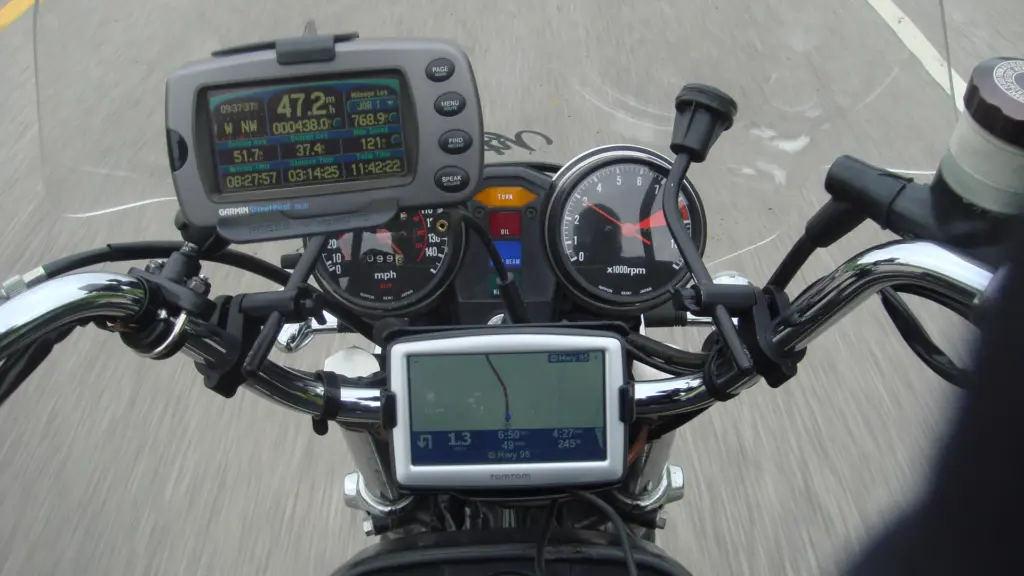
Before we dive into the nuances of route planning, let’s address a common debate among riders: GPS versus traditional maps. While maps have their nostalgic charm, in practical terms, especially in less-than-ideal conditions like rain, GPS is the way to go.
And trust – I love maps. The Bulter Maps are second to none. We own them, we use them to study routes ahead of time – but when it comes to on the road…buy a good motorcycle specific GPS. If you have purchased a motorcycle for long distance riding – this is not an accessory, its a must have.
GPS: The Practical Choice for Modern Riders
Weather Resilience:
Unlike paper maps, a GPS device or a smartphone with a waterproof case remains functional in the rain. This is crucial for safety and convenience on the road.
Real-Time Updates:
GPS systems provide live updates on traffic, road closures, and weather conditions – information that’s vital for a smooth ride. Some of the advanced models can gives a connection to other riders.
And be sure to use a motorcycle specific model – they are designed for extreme conditions and usage while wearing gloves.
Following a GPS route is straightforward, especially when you’re on the move. It allows you to focus more on the ride and less on navigation.
Route Planning – or maybe, Route Pre-Planning
Flexible Route – no pre-defined route:
Let’s start with – not a huge fan of this method. If you are riding alone or have a very small group – it’s possible. What you gain in spontaneity and the unexpected discoveries and changes in plans based on the “wind”. It’s a thought – we would also make the case for more research before the trip will garner an experience which can not be matched by happenstance. This is not to say you shouldn’t be open to pivot – may of great experiences can come by chance.
Structured Route:
Fully planned GPS maps shared with the group. This cuts down on the “are we there yet”, “how long do we have left today” and other fodder. Its also a plus with groups and when you’re traveling through less familiar or more remote areas. If someone would happen to get away from the group – this allows for an easy way to catch-up.
Creating Your Route:
Start with your start and end points – this may be hotels and bucket list locations. A great time to check out your maps, do research online of cool things to see. Planning some of the cool photo stops is also a great idea here.
When you can take a picture of the “Birthplace of America” – you do it.

Again, use the internet. There are uncountable groups for getting help with trip planning. People have already done what you what to do. We know – the internet is a wild place full of a lot of garbage. This is why we started a Facebook Group for Motorcycle Trip Advice. Join us there – we have strict rules which help people make their next trip the best it can be. Check it out.
Consider the types of roads you want to ride. Are you looking for smooth highways, winding country roads – maybe you want an off-road adventure? Be sure to plan your daily mileage realistically. Include time for breaks, meals, and enjoying the scenery.
Following Your Route
GPS Devices: Ideal for turn-by-turn navigation and keeping on track. Many devices offer options for avoiding highways or finding the most scenic routes. Some have weather as well as group ride tracking. The most difficult part of planning routes on GPS is getting maps from online planning software to your GPS and the GPS of others.
Smartphone Apps: Many riders will mount their phone to the handlebar and use Google Maps for the routes. This does work very well – but know your phone. You will run into some rain and not all phones are weather proof. Planning maps in google maps is probably the easiest – yet most frustrating map planning you can do. Google maps doesn’t always give you want you see on the screen. We have a blog post which discusses this specifically.
Newer bikes are coming with Android Auto and Car Play. Which is awesome – you plug in your phone and then you have a great screen to do all the technology with like many cars today. There are also handlebar mounted units for this too. See our guide to those here.
Please please please help your fellow riders not use their phones while driving their bikes. This is dangerous to you and other riders/drivers. Please – if you need to use the tech – just wait for the next stop. Think safety when planning a multi-day motorcycle ride.
Paper Maps: It is true – they never run out of battery, but looking at a map while riding is distracting. Please bring the maps – it gives you a backup plan, allows you to look at the next day rides and see what you can expect. Butler has spent a great deal of time building great maps – they are worth the cost even if you don’t navigate with them.
Tips for Successful Route Following
Stay flexible. Even the best-laid plans can change due to weather, road closures, or other unforeseen circumstances. Leverage your smart phone to watch the weather – there have been many a trips where a well place early stop or route changed has avoided bad weather and keep things dry.
Regularly communicate with your group. If riding in a group, make sure everyone knows the plan and the next meeting point in case of separation. This is a great case for getting every rider a GPS. Phone coverage is sketchy in many places where the best riding happens. Assume you will not have a phone to call group members.
Allow for discovery. Some of the best experiences come from unplanned stops or detours. Embrace them! We look to find local restaurants and non-chain places…we have met the greatest people when we have done this.
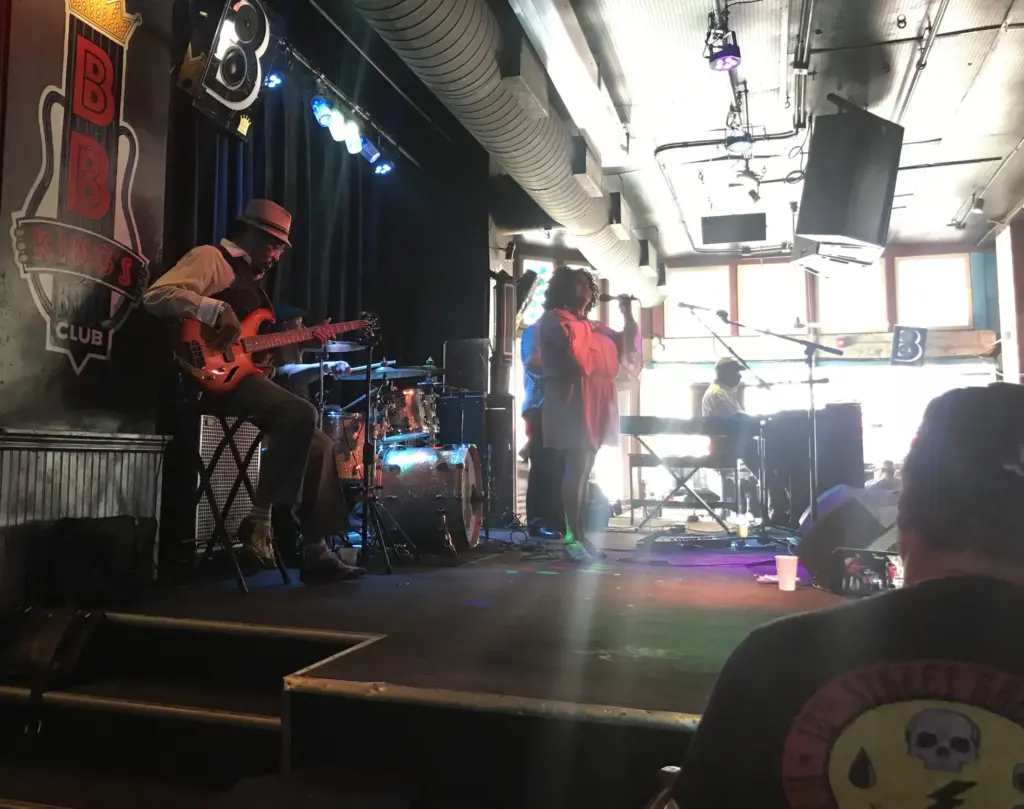
We were in Memphis on a motorcycle trip and were looking to get barbeque at the famous Rendezvous. Unfortunately – it was a Monday and Rendezvous was closed. As you probably know – the restaurant is located in an ally. As we walked out the alley – a man asked us if we were looking for BBQ. We told him of our issue – and he invited us to BB Kings Blues Club. He was the owner (Tommy Peters), a chance meeting. We got to check out his office – which was in the basement of an old bank. Not only was BB Kings great – but we had a great story to add to the growing things that happened on one of our motorcycle trips.
This primer on route planning sets the stage for a successful journey. For a more in-depth guide – check out our detailed trip planning guide with google maps. This is more of a dive deep into the nuances of crafting and following the perfect motorcycle route.
Preparing for the Journey: Essentials for a Smooth Motorcycle Road Trip
The secret to a successful motorcycle road trip lies in thoughtful preparation. From trip planning, to ensuring your bike is road-ready, each detail contributes to the overall experience.
Packing Smart: Think Lightweight and Practical
Embrace minimalism in your packing. Every item should serve a purpose, preferably more than one. Essential tools, a basic first aid kit, and spare parts like bulbs or fuses are non-negotiable. A lighter bike means a more enjoyable ride.
Pack clothing that adapts to changing weather. This includes waterproof gear for rain, breathable layers for warmth, and protective gear like a sturdy helmet, gloves, and boots. Comfort and safety should always ride together. We have a blog post which focuses on rain gear – invest in great rain gear – it really matters. Mostly when you are not using it – the best gear packs very small.
Nutrition and Hydration: Fuel for You and Your Bike
Stay hydrated. Long hours on the road can dehydrate you faster than you realize. Keep water easily accessible and take regular sips even if you don’t feel thirsty.
Energy-boosting snacks are essential. Opt for compact, nutritious options like nuts, dried fruits, or energy bars. They’re easy to pack and provide a quick pick-me-up.
Motorcycle Checkup: A Smooth Ride Starts with a Reliable Bike
A thorough check of your motorcycle before the trip can prevent most on-the-road mishaps. This includes checking the oil and coolant levels, brake pads, tire pressure, and ensuring all lights are functional. Please do this 2-3 weeks prior to the trip. If there are issues – this will give you time to get things fixed before the trip.
It’s also wise to have a basic understanding of your bike’s mechanics. Simple skills like changing a tire or adjusting the chain can be invaluable on the road. Do some of this small maintenance before the trip – and write down what tools you used. This way – you can bring the tools you need to do the same on the road. You can find motorcycle tools kits on Amazon – dig in a little, there are specific tool kits for your bike. This cuts down on extra things which you don’t need. These are are design to be packed in small spaces.
Documentation and Emergency Prep: Better Safe than Sorry
Keep your essential documents – license, registration, insurance, and emergency contacts – in an easily accessible but secure spot on your bike. Make sure they are in a zip lock bag or something else weatherproof. Water and elements can find there way into all the little cracks and crevasses, even inside your luggage.
Familiarize yourself with emergency services along your route. Knowing where the nearest gas stations, hospitals, and motorcycle repair shops are can provide peace of mind.
By covering these bases, you’re not just preparing for a road trip; you’re ensuring a journey that’s as stress-free as possible, leaving you free to enjoy the adventure and the company. With the right preparation, the road ahead is not just a path, but a promise of great memories.
Capturing the Journey: Documenting Your Motorcycle Road Trip
No road trip is complete without the photos and videos that capture the essence of your adventure. Here’s how to document your journey effectively:
Choosing the Right Camera Gear:
Action Cameras: Compact and rugged, action cameras like GoPros are perfect for capturing on-the-go footage. Mount them on your helmet or bike for hands-free operation. This can be fun and frustrating – depending on how much footage you are looking for will depend on how you want to accomplish there. There are many options.
Digital Cameras or Smartphones: For higher-quality stills, a good digital camera or a smartphone with a quality camera is essential. Consider ease of use and battery life when choosing. Try to get into the habit of taking this out and snapping some pictures at each stop. It doesn’t have to be a production – think about just having a great pic.
Drones: For those who really want to up their game, a drone can capture stunning aerial footage of your ride and the landscapes you traverse. This may require more support – but there is no doubt…drone shots are amazing.
Mounting and Safety:
Secure Mounting: Ensure any camera mounted on your bike or helmet is securely attached. Safety comes first – unstable mounts can be a hazard. RAM mounts are very popular – but just make sure you do some testing as you go.
Accessible but Non-Distracting: Position cameras so they’re easy to operate but don’t distract you from riding. Test placements before the trip to find the perfect balance between visibility and convenience. I love a good GoPro mounted to see the rider – which makes for some great shots.

Battery Life and Storage:
Extra Batteries/Power Banks: Cameras and smartphones run out of juice quickly, especially in cold weather. Carry spare batteries or a power bank. We are big fans of adding USB charging in bags – which allow batteries recharge while you are driving.
Ample Storage: Bring enough memory cards or have a way to upload photos and videos regularly to avoid running out of space. We have got to the point where we just replace these once a day – the cards are cheap enough then you don’t need to worry so much.
Capturing the Essence of Your Trip:
Plan Your Shots: Think about the types of photos and videos you want. Scenic shots, group photos, and candid moments all tell the story of your trip. This is where planning helps – get out and make some notes on different positions…it can make a world of difference.
Pro-tip: At eat stop – make sure to wipe off any bugs you may have accumulated. Ask us how we know. 🙂
Post-Trip Editing and Sharing:
After the trip, take time to sort through and edit your photos and videos. This is when you get to relive your journey and share the best moments with friends, family, or fellow riders online. You can create cloud storage so all riders can add files for each trip.
By documenting your road trip, you’re creating lasting memories that you can revisit and share. Whether it’s a stunning sunset over a mountain pass or a video of a winding road, these images will be your reminders of the freedom and joy that motorcycle touring brings.
Wrapping Up and Looking Ahead
One of the most rewarding aspects of motorcycle touring is the sense of community. Sharing your experiences enriches the journey for yourself and others. If you have a story to share – head over to our contact us…we’d love to hear it and share it here.
Learn from Others: Just as you share your experiences, be open to learning from the stories of other riders. Each tale comes with its own set of lessons and insights. We mentioned the Motorcycle Trip Advice Facebook group earlier – join us there.
Plan Together: For future trips, consider reaching out to the community. Planning with fellow enthusiasts can lead to new friendships and unforgettable journeys.
As we close this guide, remember that the essence of a motorcycle road trip lies in the journey itself. The roads you choose, the preparations you make, and the memories you capture are all threads in the tapestry of your adventure.
Recap and Reflection: Reflect on the key points we’ve covered. From choosing your route and packing essentials to documenting your journey and engaging with the community, each element plays a crucial role in the success of your trip.
As you gear up for your next motorcycle road trip, carry with you not just the essentials but also the spirit of adventure and camaraderie. Each mile you cover adds to your story as a rider, and each story you share adds to the rich tapestry of the motorcycle community. So, hit the road with confidence, curiosity, and a sense of connection.
Safe travels and may the road ahead be filled with unforgettable experiences. We can’t wait to hear about your adventures on and off the beaten path. Keep riding, keep exploring, and remember, the best journeys are shared.